




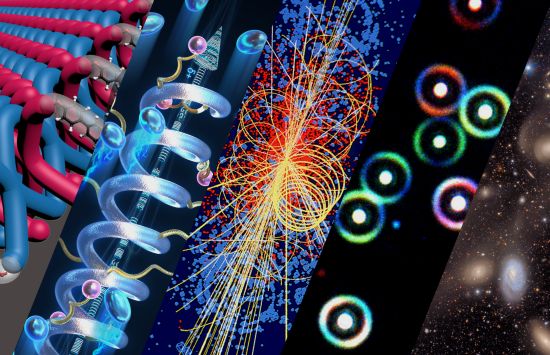
The U.S. National Science Foundation Directorate for Mathematical and Physical Sciences (NSF MPS) advances human understanding of the fundamental nature of the universe at all scales, from the smallest quantum effects inside atoms to the forces that drive the movement and structure of galaxies.
NSF MPS harnesses the collective power of the mathematical and physical science communities to achieve the fundamental breakthroughs required for innovations that strengthen America's economic competitiveness, security and quality of life.
In addition to supporting breakthrough scientific research, MPS is continuously working to expand and strengthen the science, technology, engineering and mathematics workforce of the future. MPS does this by supporting a broad range of training and mentorship opportunities for students and early-career researchers across the U.S.

 On this page
Key research and technology areas
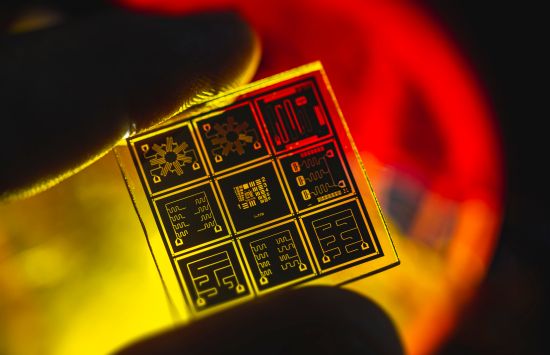
MPS supports the fundamental science behind countless innovations that have improved people's lives: From PET scans that use antimatter to reveal cancerous tumors to life-saving cardiovascular stents made of advanced materials to the atomic clocks behind your phone's GPS-based navigation. Basic research supported by MPS is also at the heart of new and emerging technologies including artificial intelligence; quantum computers, sensors and networks; and biotechnology.
Learn about NSF investments in these areas:

Credit: University of Central Florida
What we support
MPS supports fundamental science, training and research infrastructure in the following fields:
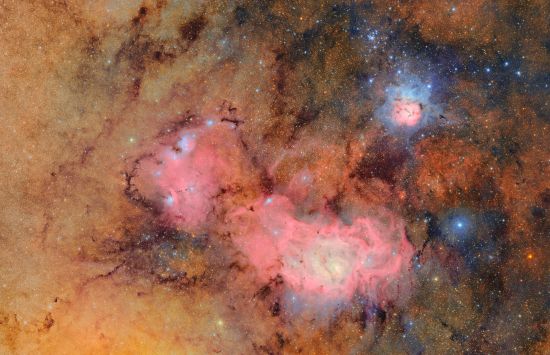
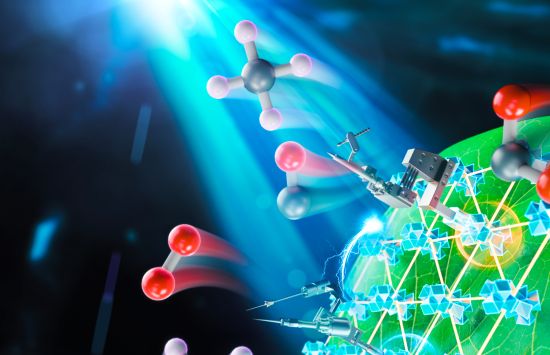


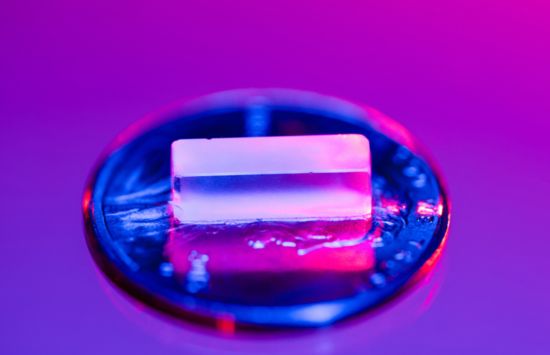
MPS also supports collaborative research centers and institutes focused on ambitious scientific challenges requiring large teams of researchers, years of concentrated effort, and a range of scientific and technical expertise:

NSF Physical Sciences Research Facilities
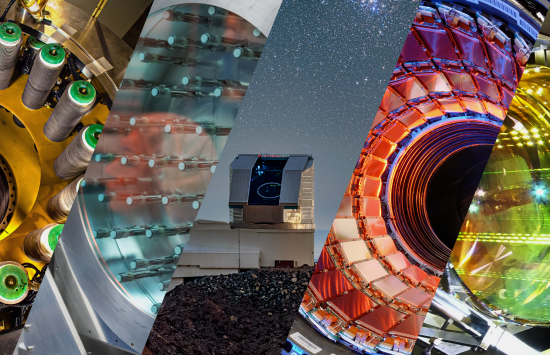
NSF supports research facilities that provide scientists with unique instruments and capabilities to explore the physical universe, including multiple astronomy observatories, the NSF National High Magnetic Field Laboratory, particle detectors at the Large Hadron Collider, and others. The facilities enable the discovery and study of new elementary particles; materials and chemicals with unique and useful properties; solar storms and space weather; dark matter and dark energy; and more.
Additional resources
Subscribe to email updates from MPS
Get news on funding opportunities, upcoming events and research highlights.
Attend virtual office hours and webinars
Talk directly with MPS program directors and learn how to submit a proposal.
Find funding and contact a program director
Search for programs and funding opportunities and find contact information.
Preparing your proposal
A guide with helpful tips on how to write and submit a research proposal to NSF.