
Science & Engineering Indicators Resources
As part of its role as an independent advisory body, the Board, by law, “. . . shall render to the President and the Congress no later than January 15 of each even numbered year, a report on indicators of the state of science and engineering in the United States.” Science and Engineering Indicators (Indicators) comprises high-quality quantitative data on the U.S. and international science and engineering enterprise. Indicators is factual and policy neutral. It does not offer policy options or recommendations.
Featured Video
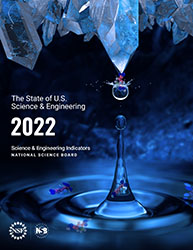 National Science Board recorded briefing on the State of U.S. Science & Engineering
On Jan. 20, 2022, NSB Chair Ellen Ochoa, NSF Director Sethuraman Panchanathan, and NSB Science and Engineering Policy Committee Chair Julia Phillips gave a public briefing on NSB’s 2022 Science & Engineering Indicators: The State of U.S. Science & Engineering, a congressionally mandated report. Speakers highlighted key trends, their implications, and action needed for the U.S. to remain at the forefront of innovation. The video recording of the Jan 20 briefing is available for viewing. The presentation slides (PDF) are available for download.
Contents
Indicators
Science and Engineering Indicators is the most comprehensive source of high quality federal data on the state of U.S. science and engineering in a global context. Below you will find links to the report, state data, and other support materials.

Invention, Knowledge Transfer, and Innovation (March 2022)
Higher Education in Science and Engineering (Feb 2022)
Academic Research and Development (Sep 2021)
Elementary and Secondary STEM Education (Jul 2021)
Companion Reports
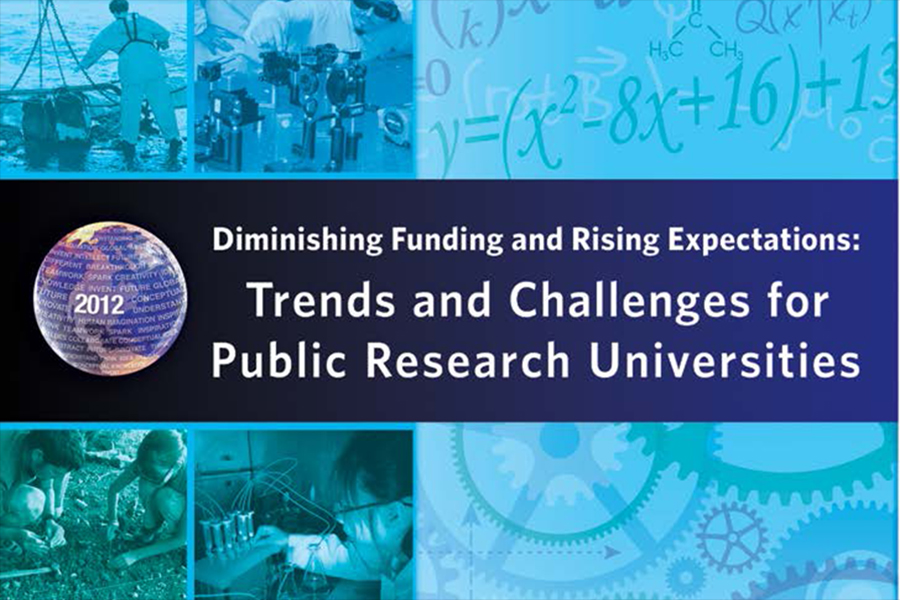
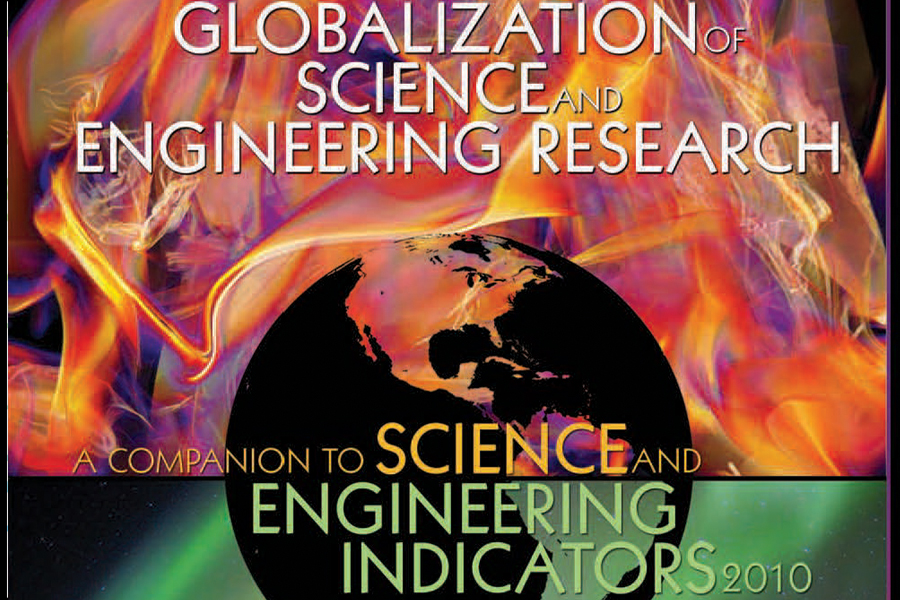
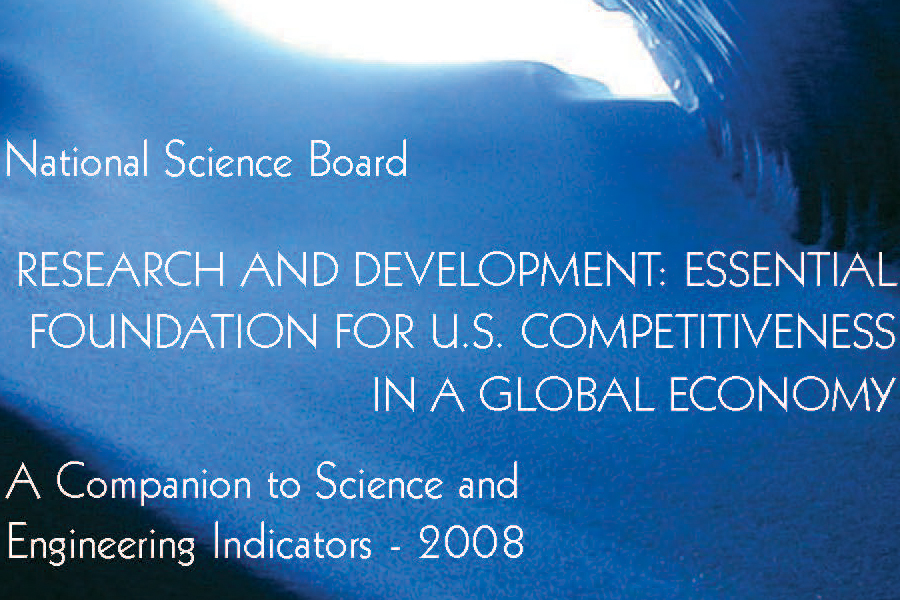
Though the main volume of Indicators is policy neutral, the Board authors one or more policy companion reports to Indicators. These reports draw upon the data in Indicators and may offer policy recommendations on issues of concern for national S&E research or education, in keeping with the Board's statutory responsibility to bring attention to such issues.

Policy One Pagers
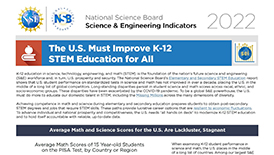
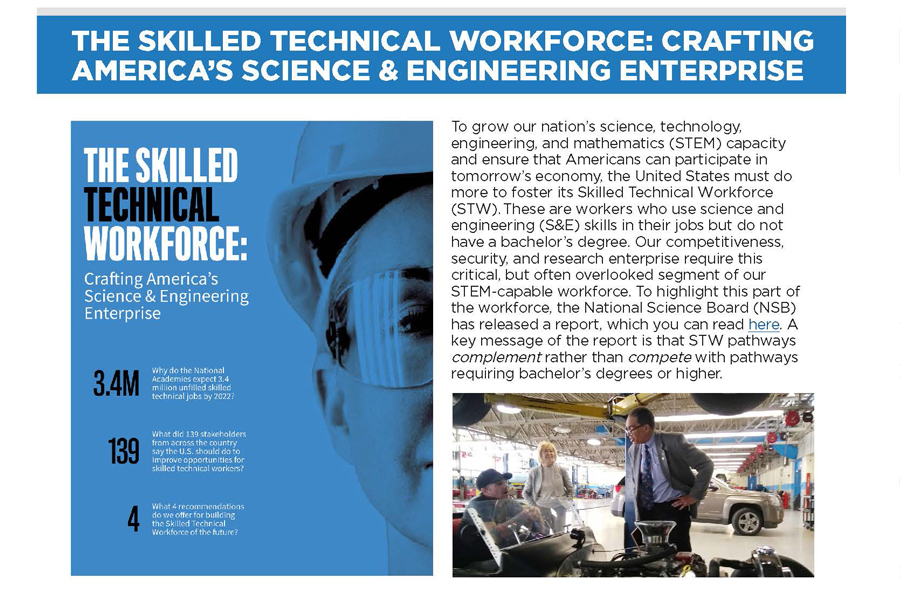
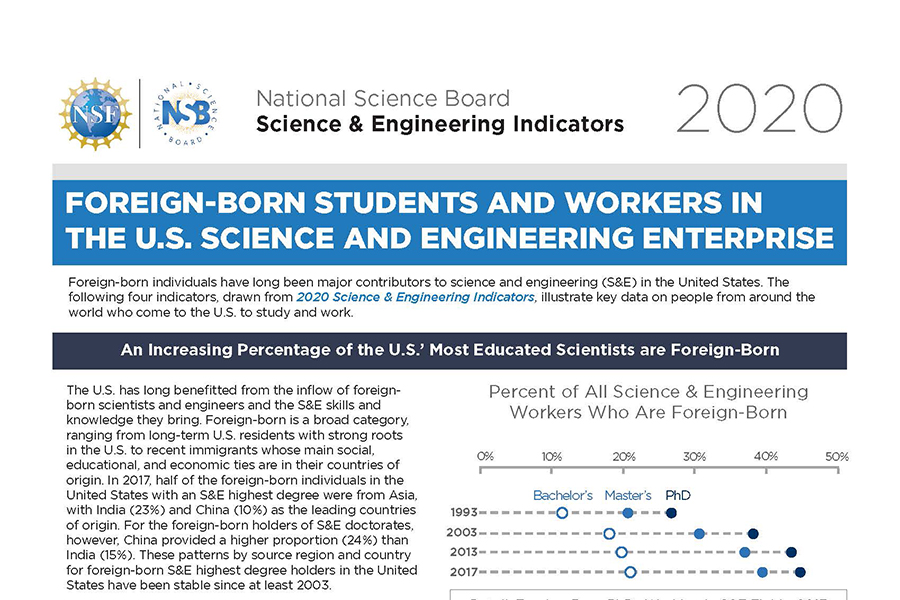
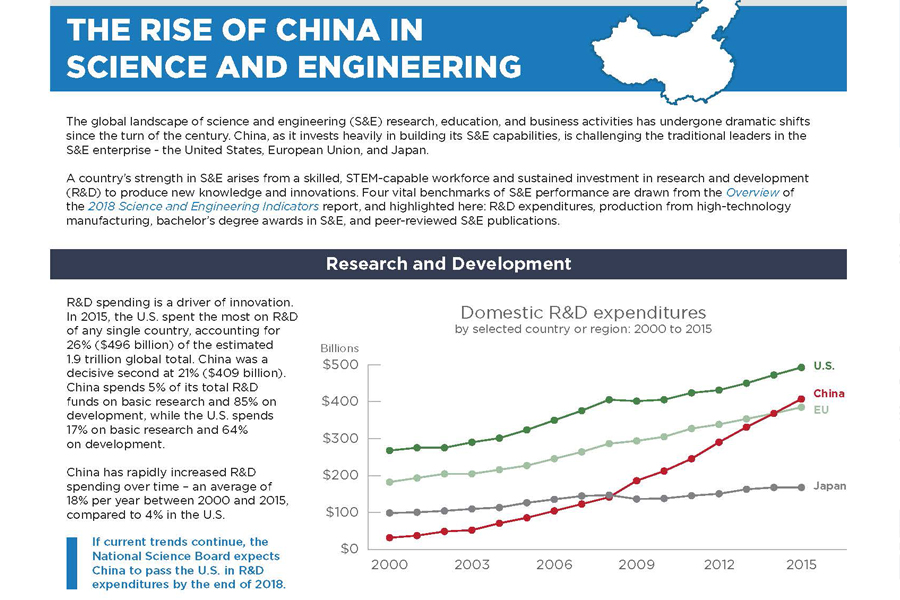
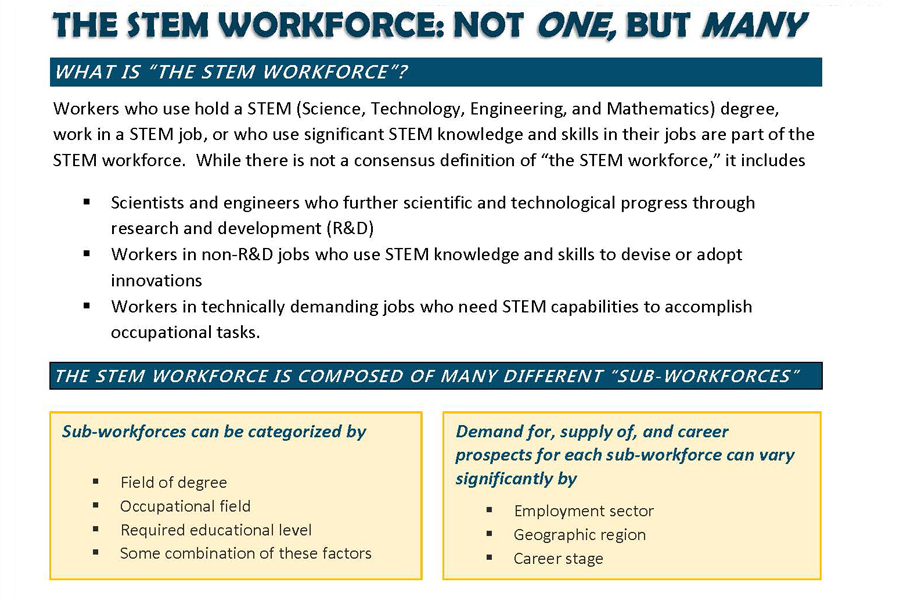
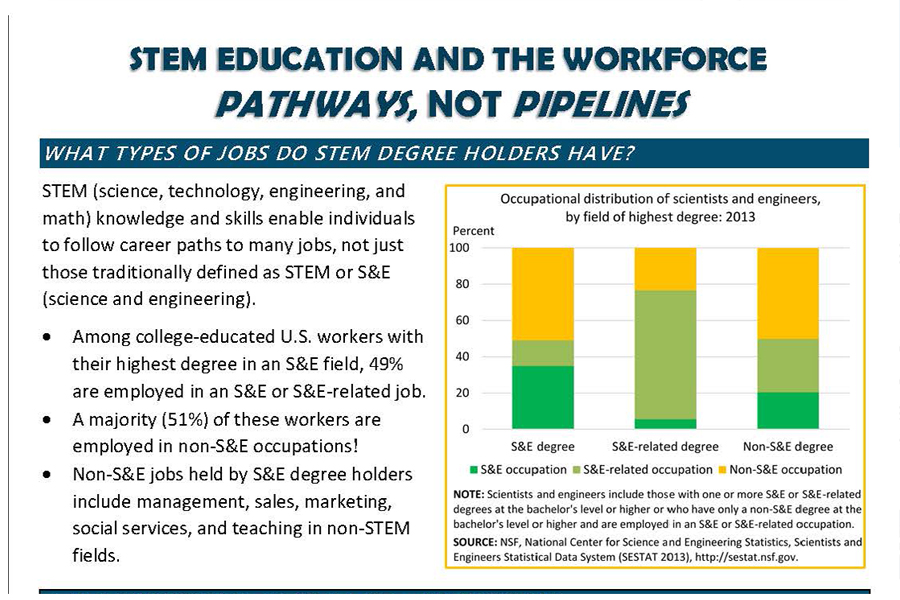
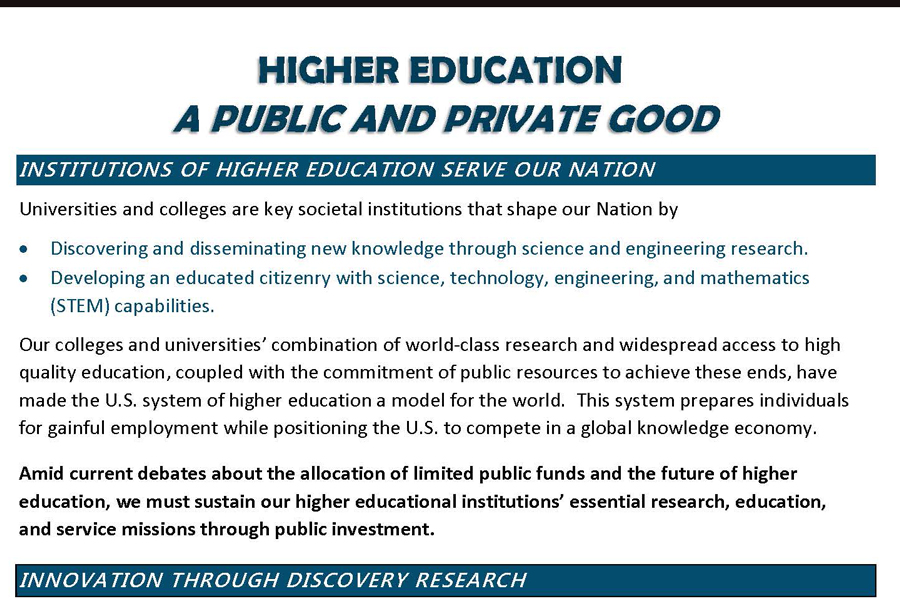
One pagers on science & engineering and STEM education policy topics are derived from Science and Engineering Indicators and from the National Science Board’s companion reports and products.
State One Pagers
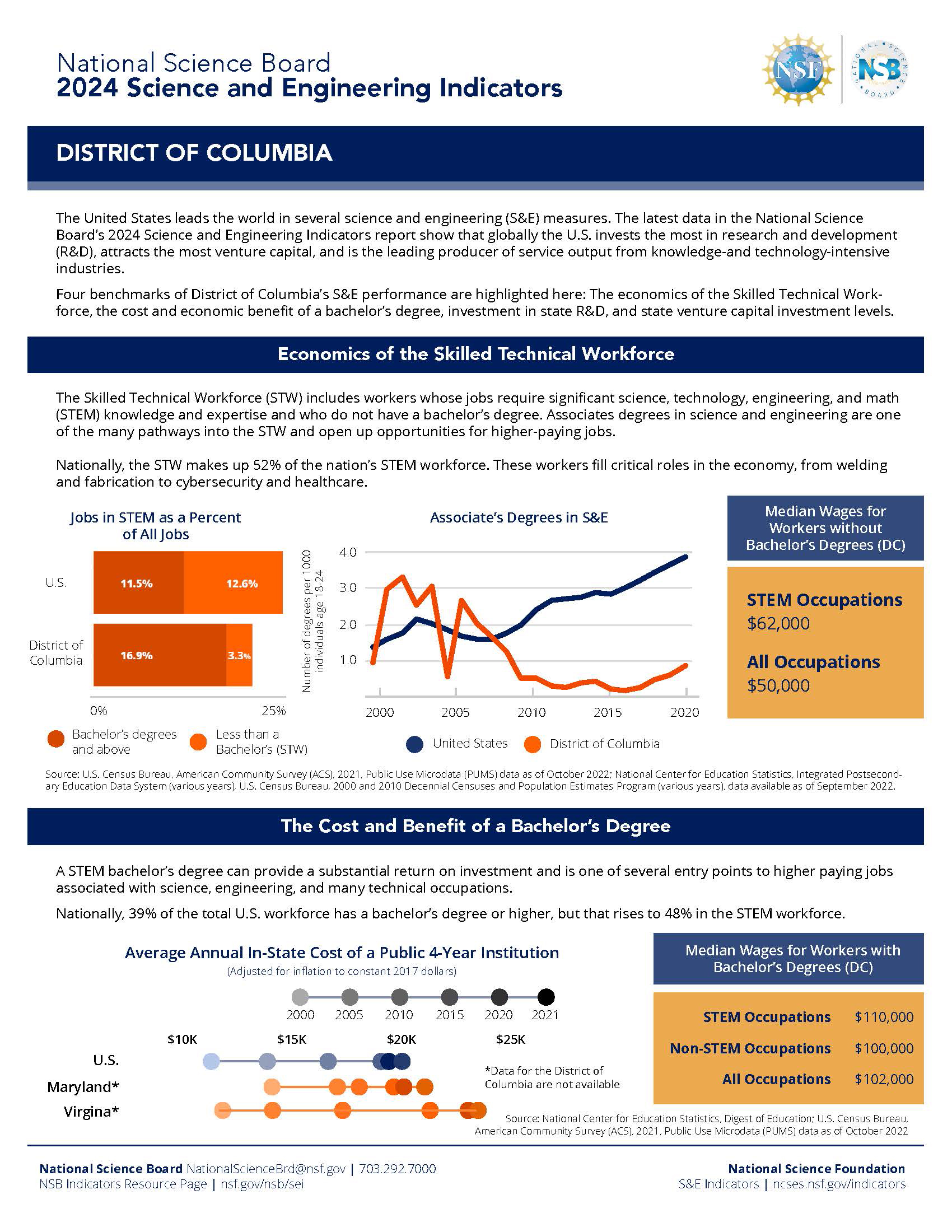
Indicators State One Pagers highlight key data from the State Data of the NSB’s Indicators report. They highlight the cost of public higher education, the size of the STEM workforce, R&D investment, and venture capital funding. Please click on state name below for a downloadable PDF of the state one pager.
Videos & Media
Here you’ll find links to press releases and videos related to Indicators.
Press Releases
- Pandemic disrupted students’ higher education plans
- Science & Engineering Indicators 2022: U.S. is Keystone of the World’s Science and Engineering Ecosystem
- Science & Engineering Indicators 2022: NSB Report Highlights Key Role of United States in Scientific Collaborations
- Science & Engineering Indicators 2022: Federal dollars fund more than half of all academic research and development
- Science & Engineering Indicators 2022: National Science Board Releases Report about Today’s Science and Engineering Labor Force
- Science & Engineering Indicators 2020
- Science & Engineering Indicators 2020: State of U.S. S&E Labor Force
- Science & Engineering Indicators 2020: State of U.S. STEM education