




Next time you talk on a cell phone, hear a weather report, search the web, or get an MRI, remember the U.S. National Science Foundation helped make that all possible, and more.
Since 1950, NSF has invested in ideas and innovations that have shaped the modern world — pushing the boundaries of what's possible and deepening humanity's understanding of the universe.
More than 75 years after its founding, NSF continues to advance American innovation. Explore some of the agency's major impacts on this page.
 On this page
Ensuring American leadership in critical and emerging technologies
NSF supports research and development in key technologies, from artificial intelligence to quantum. These investments help fuel American prosperity, improve quality of life and national security, and create high-paying jobs for American workers.
Brought to you by NSF
Explore some of the critical technologies made possible through NSF support.
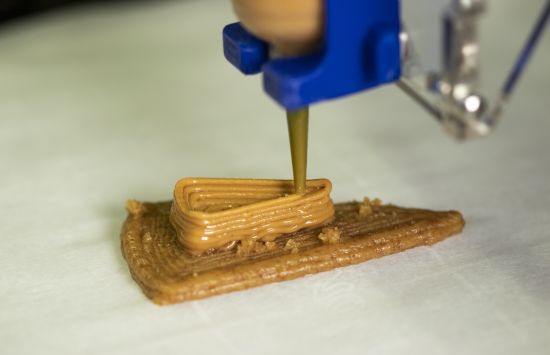
3D printing
3D printing is spurring a manufacturing revolution in the U.S. thanks to decades of NSF investments.
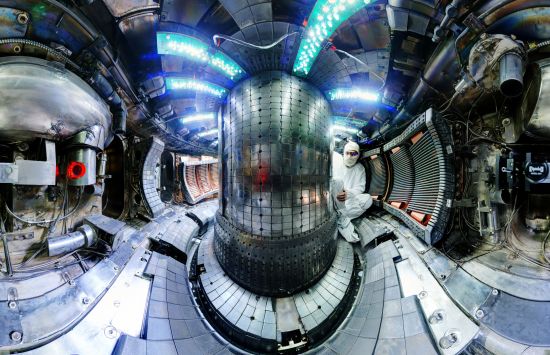
Fusion energy
NSF's decades-long support for fusion R&D is paving the way toward an abundant, reliable power source to meet the world's growing energy demand.

The internet
Drawing on DARPA's pioneering support for early computer networking projects, NSF funding catalyzed the creation of today's internet.
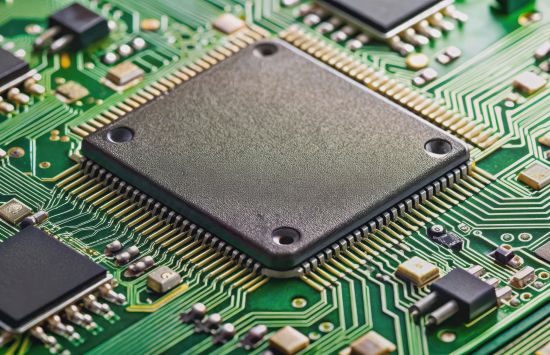
Semiconductors
NSF–funded research has catalyzed breakthroughs in semiconductors, the chips that enable virtually all modern technology.
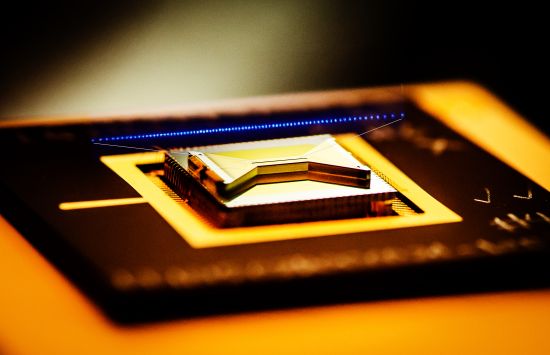
Quantum technology
The fruits of NSF's investments in quantum research are everywhere, from technologies that power modern life, like GPS, MRI and lasers, to next-generation computers, materials and sensors.
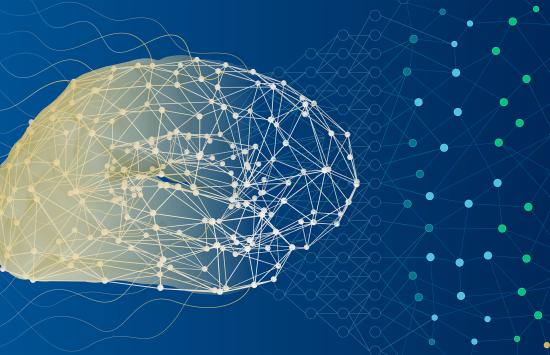
Artificial intelligence
NSF funding built the foundation for technologies Americans use every day, like chatbots, Face ID and image generators.
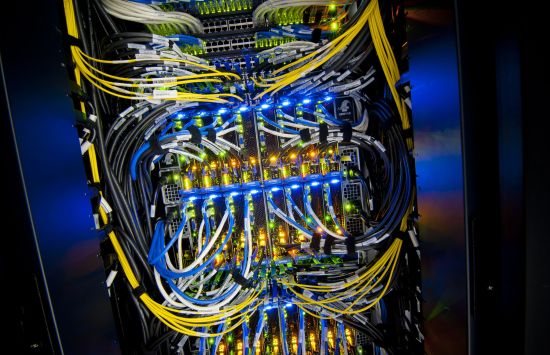
Supercomputers
NSF's investments in cutting-edge supercomputers have catalyzed scientific breakthroughs and sharpened the nation's competitive edge.
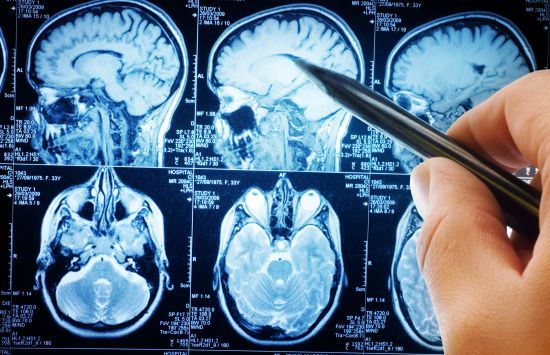
Magnetic resonance imaging (MRI)
One of the most widely used medical imaging technologies is rooted in decades of NSF-powered research.
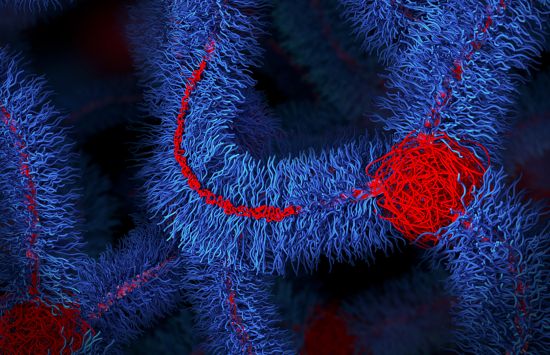
Polymers
NSF-supported polymer research powers innovation across industries and generations, from plastic bottles to artificial organs to protective armor.

Smartphones
Smartphone technology traces its roots to decades of NSF funding, such as touchscreens, lithium-ion batteries and the internet.
Exploring new frontiers
NSF supports research that enhances America's ability to observe, understand and predict the forces that shape our world. By pushing the frontiers of knowledge — from the ocean's depths to the vast expanses of space — these investments enhance the nation's economic vitality and national security, contributing to the well-being and prosperity of all Americans.
Brought to you by NSF
Explore some of the major discoveries made possible through NSF support.

Deep-ocean exploration
Decades of NSF-funded deep-sea research and subseafloor ocean drilling reveal fundamental knowledge about the entire Earth system.

Detecting gravitational waves
Opened in 1999, NSF LIGO was the first to detect gravitational waves: ripples in space-time.

Seeing black holes
Thanks to NSF support, international researchers have now captured images of two black holes, including the one at the center of the Milky Way galaxy.
Strengthening American security
NSF invests in research and development that promotes the nation's strategic competitiveness and protects national and personal security.
Brought to you by NSF
Explore some of the ways NSF has bolstered American security.
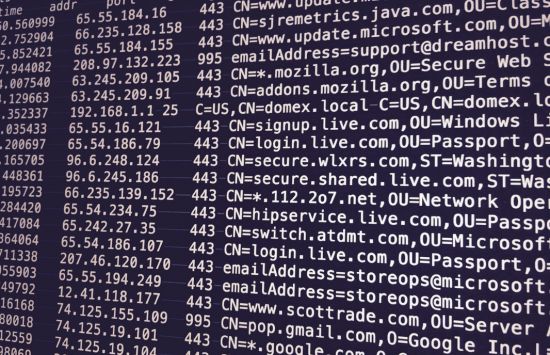
Cybersecurity
For decades, NSF has funded research to protect national and personal security in today's highly connected, digital world.
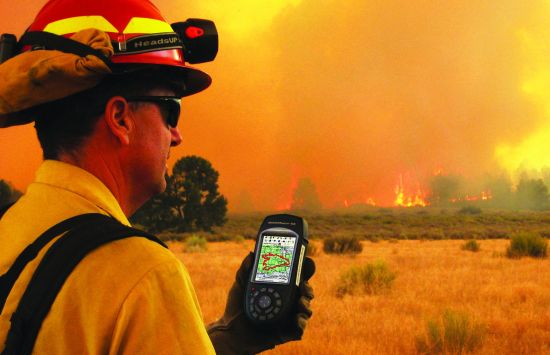
Extinguishing the threats from wildfires
From predicting a fire's path to expanding wireless communication, NSF's investments help mitigate wildfire impacts.

Boosting crops with biotechnology
NSF's investments in agricultural biotechnologies are transforming food and fiber production.

CAPTCHA and reCAPTCHA
The tools that keep badly behaving bots from taking over the internet were invented by NSF-funded researchers.
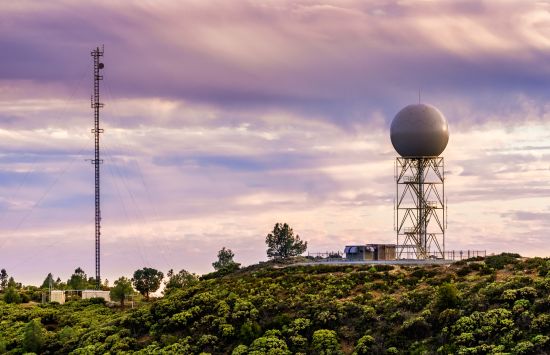
Doppler radar
Decades of NSF–funded research have improved the capabilities of the national Doppler radar network.
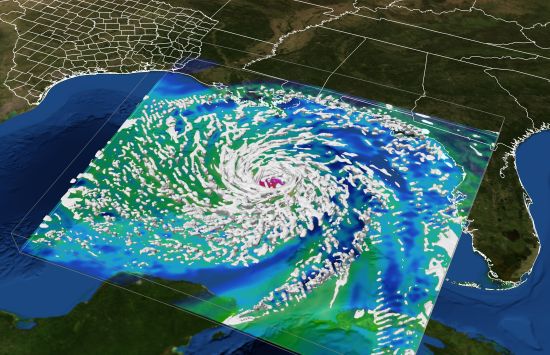
Advancing hurricane forecasting and readiness
NSF protects communities by improving hurricane forecasts and enabling storm-resilient infrastructure.

Geographic Information Systems (GIS)
NSF investments helped chart the course for the technologies that use spatial data to make people's lives more convenient.
Safeguarding American health
NSF invests in foundational research to strengthen and safeguard the health and quality of life of individuals, families and communities.
Brought to you by NSF
Explore how NSF's investments created the biotech industry and have improved Americans' health and well-being.

Kidney matching
Decades of NSF funding for economic and algorithm research has facilitated thousands of lifesaving kidney transplants every year.

rDNA and insulin
NSF supported a landmark research project that revolutionized insulin drugs and jump-started the U.S. biotechnology industry.

DNA amplification
Polymerase chain reaction, a lab technique that powers today's biotechnology sector, traces its roots to NSF funding.
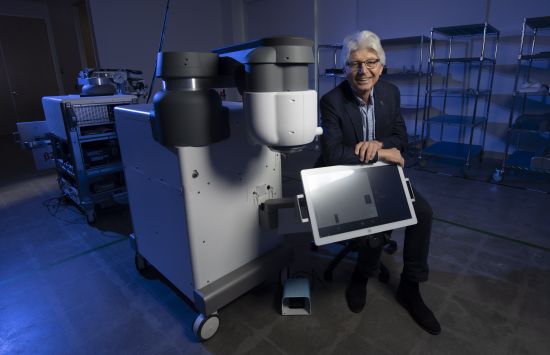
LASIK eye surgery
Decades of NSF funding supported the development of bladeless LASIK, which uses a laser instead of a scalpel to reshape a patient's cornea and improve their vision.
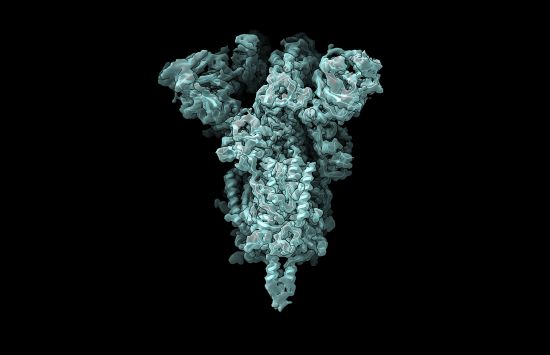
Protein Data Bank: Key to the molecules of life
NSF's decades-long support for the open-access database has facilitated pioneering scientific advancements and medical treatments.
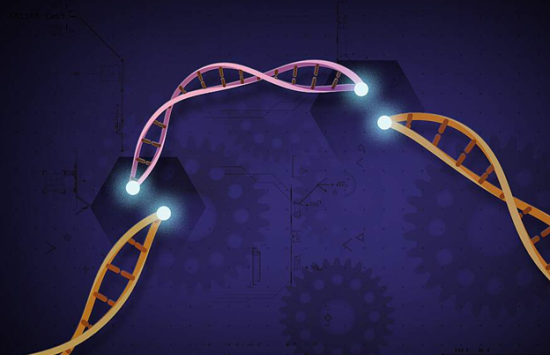
CRISPR
NSF-supported research has advanced one of the sharpest tools in gene technology.
Building the STEM workforce of the future
NSF invests in efforts to provide all Americans with access to high-quality STEM education and workforce development pathways throughout their lifetimes.
Brought to you by NSF
Explore how NSF's investments have nurtured a next-generation workforce of scientists, engineers, technicians and teachers.

Investing in America's STEM workforce
Since the 1950s, NSF's investments in people have fueled scientific progress and strengthened America's innovation engine.

Learning beyond the classroom
Throughout its history, NSF has made the excitement of scientific discovery available to everyone by investing in children's TV programming, movies, museum exhibits and apps.

Duolingo
One of the most popular language-learning tools got its start from NSF funding.

American Sign Language
NSF funding revolutionized education for deaf and hard-of-hearing individuals in the United States.
Strengthening America's research ecosystem
NSF invests in the nation's science and engineering ecosystem to prepare it for the next century of innovation.
Brought to you by NSF
Explore how NSF's investments have fueled innovation across the nation.

Bolstering small business
From artificial intelligence and energy to medical devices and semiconductors, NSF invests in deep-tech startups and small businesses working across all fields of science and technology.
Additional resources
Learn about NSF's ongoing investments and impacts in major areas of research and innovation.
NSF by the Numbers
Explore NSF's investments in science and engineering across the nation and in your state by fiscal year.
NSF Funded Projects (Awards)
Explore our database of funded projects to learn what we're doing across the U.S.
NSF Fact Sheets
Learn about NSF's investments in your state and how the agency is catalyzing innovation in emerging technologies.
NSF Public Repository
Explore NSF-funded scholarly publications and datasets.